Polyvagal Theory: Safety, Connection and Healing.
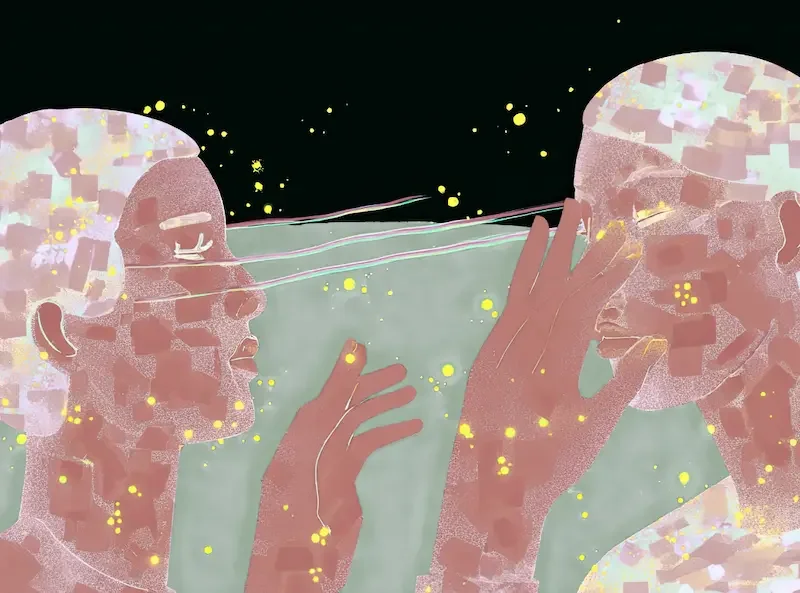
Polyvagal Theory has become one of the most influential frameworks in modern psychotherapy, especially for trauma‑informed and body‑based approaches. Although the theory has evolved over decades of research, its core message remains deeply human: our nervous system is always working to protect us, and it shapes how we feel, relate, and respond to the world.
Being a counsellor and psychotherapist, as I revisit this work I’m reminded of how relevant it is for clients navigating stress, trauma, anxiety, relationship difficulties, and emotional overwhelm. Understanding our nervous system gives us language for experiences that often feel confusing or “out of the blue”. It also offers a compassionate pathway back to regulation and connection.
A New Way of Understanding the Autonomic Nervous System
Before Polyvagal Theory, the Autonomic Nervous System (ANS) was understood as a simple two‑branch system:
Sympathetic (fight or flight)
Parasympathetic (rest and digest)
These branches were thought to work like a seesaw — one activating while the other quietened.
Stephen Porges’ Polyvagal Theory expanded this view dramatically. Instead of a two‑part system, he identified three distinct pathways, each with its own evolutionary purpose and physiological pattern. Most importantly, he highlighted the role of the ventral vagus, a newer branch of the vagus nerve that supports social engagement, connection, and feelings of safety.
This shift helped clinicians understand why people don’t simply “calm down” when told to, why trauma responses are automatic, and why connection is so central to healing.
Neuroception: How the Body Detects Safety and Threat
One of the most powerful concepts in Polyvagal Theory is neuroception — the body’s unconscious ability to detect cues of safety, danger, or life threat.
We don’t think our way into these states.
We sense them.
The vagus nerve, the longest nerve in the body, plays a major role in this process. It has two key branches:
Ventral Vagus (above the diaphragm): supports safety, connection, social engagement
Dorsal Vagus (below the diaphragm): activates in extreme threat, leading to shutdown or collapse
These pathways shape our moment‑to‑moment experience of the world.
The Three States of the Nervous System
1. Ventral Vagal State — Safety, Connection, Regulation (Green Zone)
When we feel safe, supported, and socially connected, the ventral vagus is active.
In this state:
breathing is steady
digestion works well
facial expressions soften
oxytocin increases
we can think clearly, relate, laugh, and rest
This is the state where healing, learning, and healthy relationships flourish.
2. Sympathetic Activation — Fight or Flight (Yellow Zone)
When the body senses danger, it prepares to protect us.
In this state:
heart rate increases
cortisol and adrenaline rise
muscles tense
emotions intensify (anxiety, anger, irritability)
we may feel overwhelmed or reactive
This response is adaptive — it’s designed to keep us alive. But when it becomes chronic, it can lead to stress, burnout, and relational strain.
3. Dorsal Vagal Shutdown — Freeze, Collapse (Red Zone)
When the body perceives life threat or overwhelming danger, it may move into shutdown.
In this state:
energy drops
heart rate slows
blood pressure decreases
we may feel numb, disconnected, or “not here”
the system is trying to conserve life by going still
This is not a conscious choice. It is a deeply protective survival response.
Why Polyvagal Theory Matters in Therapy
Polyvagal Theory helps us understand that behaviour is not random — it is physiological.
Someone who withdraws, a partner who shuts down, or an adult who becomes reactive under stress is not “being difficult”. Their nervous system is doing its best to protect them.
This framework also highlights:
the importance of co-regulation (healing through safe, trusting relationships)
how early experiences shape our nervous system
why trauma affects connection, learning, and emotional regulation
the role of facial expression, tone of voice, and presence in therapy
why the therapeutic relationship itself is a powerful intervention
It also aligns beautifully with person‑centred approaches that emphasise empathy, attunement, and unconditional positive regard. When a therapist offers genuine safety, and importantly, can be with whatever experiences are present for the client without shutting them down, the client’s nervous system can begin to shift toward regulation.
Bringing It Into Everyday Life
Understanding your nervous system responses can help you:
recognise your own patterns of activation
respond to stress with more compassion
build practices that support regulation
strengthen your capacity for connection
understand why certain environments or relationships feel unsafe
Polyvagal Theory doesn’t pathologise your responses — it helps to explain them.
And with understanding and increased awareness there is an enhanced ability to be curious and respond to yourself and your experiences with greater compassion, so that the shift towards healing can occur.
Final Thoughts
Revisiting this material reminds me how foundational it is to the work I do as a counsellor and psychotherapist at Centred Wellness. Whether you’re navigating trauma, anxiety, relationship challenges, or simply wanting to feel more grounded, our felt experiences provide pathways for safety and connection.
Counselling and psychotherapy at Centred Wellness can be a supportive place to safely explore your bodily experiences, emotions, and responses with compassion and understanding, as a way of coming back to yourself.
Reference
Porges, S. W. (2011). The polyvagal theory: Neurophysiological foundations of emotions, attachment, communication, and self-regulation. New York: W. W. Norton.